
Dr. Chaitanya Vemu’s Eye Clinic


 Advanced Cataract Surgery in Thane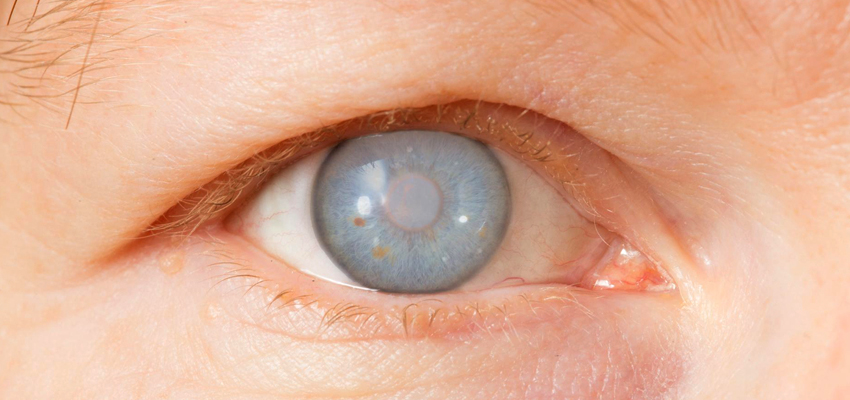
Best Cataract Surgery in Thane
What is a Cataract?
A cataract occurs when proteins in the eye natural lens break down and clump together, causing cloudiness. It is most commonly age-related but can also occur due to diabetes, eye injury, long-term steroid use, or genetic factors.
Cataract is a leading cause of visual impairment globally, affecting millions of individuals as they age. It occurs when the natural lens of the eye becomes opacified, leading to blurred vision, difficulty with night driving, and reduced overall visual acuity. In Thane, patients seeking the Best Advanced Cataract Surgery in Thane have access to advanced ophthalmic care that combines cutting-edge technology with highly skilled surgeons to restore vision and improve quality of life.
Understanding Cataract and Its Impact
A cataract is typically characterized by clouding of the crystalline lens, which interferes with light transmission to the retina. The condition often develops gradually and may remain unnoticed in the early stages. Patients may experience glare, halos around lights, and color perception changes. While cataracts are commonly age-related, they can also result from congenital factors, ocular trauma, Diabetes prolonged corticosteroid use, or prior ocular surgeries.The importance of timely intervention cannot be overstated. Untreated cataracts can progress to significant visual disability, impacting daily functioning and increasing the risk of falls and accidents. Ophthalmologists in Thane emphasize personalized evaluation, including slit-lamp examination, visual acuity assessment, intraocular pressure measurement, and retinal imaging, to determine the optimal timing for surgery.
Symptoms of Cataract
After cataract surgery, most patients experience improved vision, but some temporary symptoms are common. Mild discomfort, itching, or a gritty feeling in the eye can occur, along with slight redness or watering. Blurred or fluctuating vision is typical for a few days as the eye adjusts. Light sensitivity and glare, especially at night, may also happen.Some may notice halos around lights or minor swelling of the cornea. Rarely, infection or increased eye pressure can develop, requiring immediate attention. Using prescribed eye drops and following post-operative care instructions usually helps symptoms resolve and vision stabilize within weeks.
Advances in Cataract Surgery
The Best Advanced Cataract Surgery in Thane utilizes modern techniques such as phacoemulsification and femtosecond laser-assisted cataract surgery. Phacoemulsification involves emulsifying the clouded lens using ultrasonic energy, followed by implantation of an intraocular lens (IOL). Femtosecond laser-assisted cataract surgery offers precise corneal incisions, capsulotomy, and lens fragmentation, improving safety and outcomes.
Selection of the intraocular lens is a critical aspect of surgery. Options include monofocal, multifocal, toric, and extended depth-of-focus (EDOF) IOLs. Each type addresses specific visual requirements, whether distance vision, near tasks, or astigmatism correction. Surgeons in Thane prioritize thorough preoperative biometry to customize IOL power and optimize postoperative visual acuity.
Expertise and Safety
When seeking the Best Advanced Cataract Surgery in Thane patient safety and surgical expertise are paramount. Board-certified ophthalmologists with years of experience lead surgical teams, adhering to internationally recognized protocols. Sterile operating environments, advanced phaco machines, and intraoperative monitoring minimize complications such as posterior capsular rupture, endophthalmitis, or residual refractive errors.
Preoperative evaluation also plays a significant role in outcomes. Comprehensive ocular assessments include corneal topography, optical coherence tomography (OCT), and evaluation for coexisting conditions such as Glaucoma macular degeneration, or diabetic retinopathy. This ensures the surgical plan addresses all variables for optimal results.
Postoperative Care
Recovery following cataract surgery is typically rapid, with many patients experiencing improved vision within 24–48 hours. Postoperative management includes topical antibiotics, anti-inflammatory drops, and follow-up visits to monitor healing, intraocular pressure, and visual acuity. Surgeons provide individualized guidance on resuming normal activities, emphasizing the importance of avoiding eye strain, heavy lifting, and water exposure during the initial recovery period.
The Best Advanced Cataract Surgery in Thane not only restores vision but also enhances patient confidence and quality of life. With precise surgical techniques and state-of-the-art facilities, patients can expect minimal downtime and excellent long-term outcomes.
Why Choose Thane for Cataract Surgery
emerged as a hub for high-quality ophthalmic care, offering patients access to experienced surgeons, advanced diagnostic tools, and modern surgical technologies. Clinics and hospitals prioritize patient-centric care, with multidisciplinary teams including optometrists, anesthesiologists, and counselors to support holistic treatment.
Moreover, Best Advanced Cataract Surgery in Thane emphasize evidence-based medicine, integrating global standards and clinical guidelines into practice. Patients benefit from detailed preoperative counseling, realistic expectation setting, and personalized surgical planning.
Conclusion
For individuals experiencing vision impairment due to cataracts, choosing the best cataract surgery in Thane can be life-changing. Combining advanced surgical techniques, meticulous preoperative evaluation, and comprehensive postoperative care, ophthalmologists in Thane deliver safe, effective, and long-lasting vision restoration. Patients can confidently regain clarity of vision, independence, and an improved quality of life through expert care rooted in both technology and experience.
Why Choose Us for Cataract Surgery?
-
Experienced eye surgeons
-
Modern surgical equipment
-
Personalized treatment approach
-
High success rate
-
Patient-centered care
Frequently Asked Questions
What is the success rate of cataract surgery in Thane?
Modern cataract surgery, when performed by experienced surgeons in Thane, has a success rate exceeding 95%, with most patients achieving 20/25 vision or better.
Is cataract surgery painful?
Cataract surgery is performed under local anesthesia, typically using eye drops or a mild injection. Patients generally experience no pain during the procedure, with only mild discomfort possible during recovery.
How long does it take to recover from cataract surgery?
Initial visual improvement occurs within 24–48 hours, while full recovery may take 2–4 weeks. Patients are advised to follow postoperative care instructions to ensure optimal healing.
Can I undergo cataract surgery in both eyes simultaneously?
Most surgeons recommend sequential surgery, performing one eye at a time to minimize risk and allow accurate assessment of visual outcomes before the second procedure.
Are there any alternatives to cataract surgery?
Currently, surgery is the only definitive treatment for cataracts. While stronger glasses or magnifying lenses may temporarily improve vision, they cannot reverse lens opacification.